65+
Gameplay hours
How we helped learners build confidence to speak English through short, peer-to-peer games
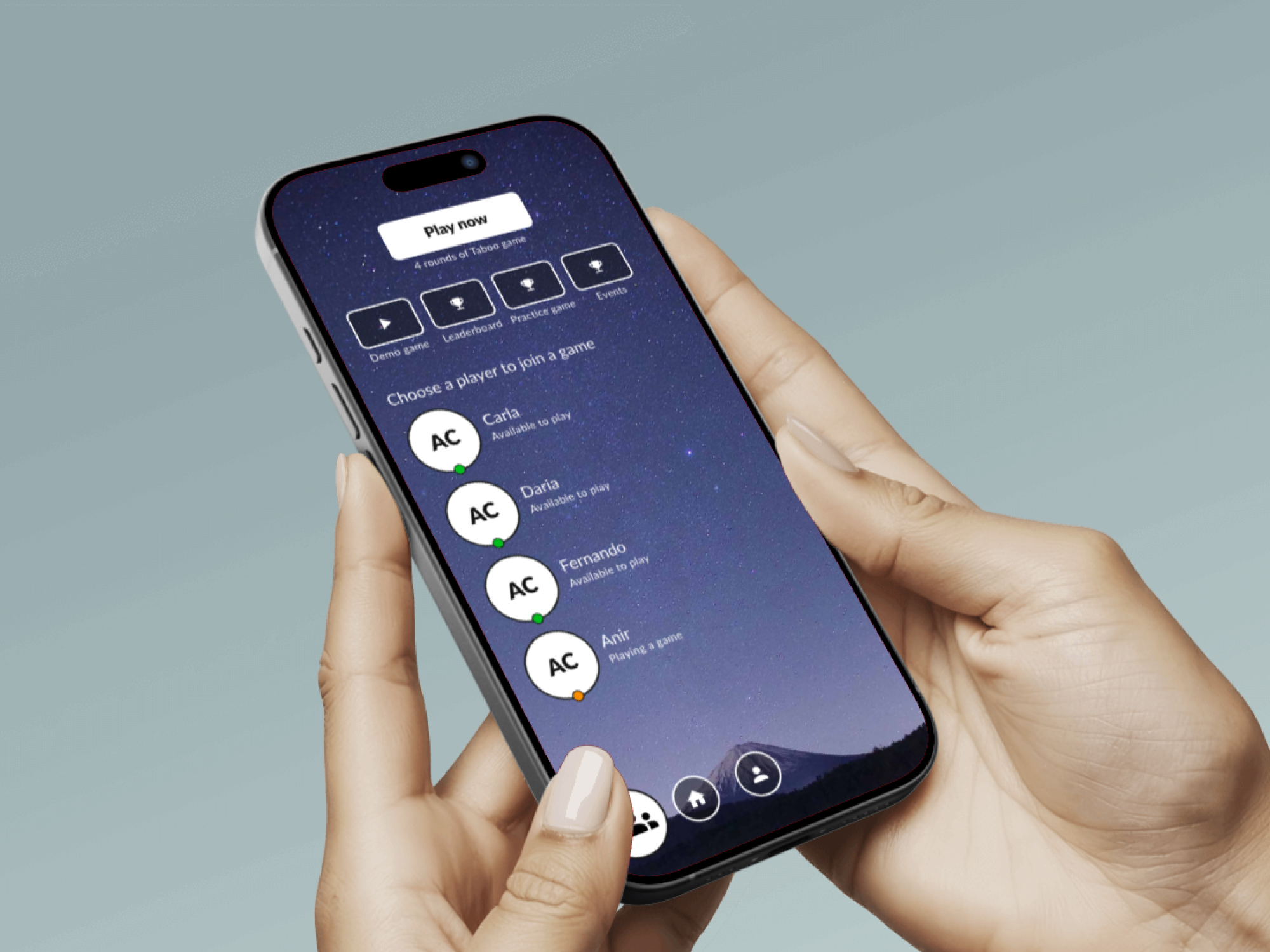
Sparkle was a mobile speaking-practice app designed to help English learners build confidence through short, peer-to-peer conversation games. Instead of scripted exercises or tutor-led sessions, the product paired learners together in timed challenges that encouraged spontaneous speaking in a low-pressure environment.
The project validated strong demand for lightweight, social speaking practice and received highly positive beta feedback. However, shortly after launch, rapid advances in AI fundamentally changed learner expectations around speaking practice, reshaping the product’s long-term viability and providing critical lessons about timing, value, and adaptability in fast-moving spaces.
Gameplay hours
Beta games played
Beta users worldwide
Customer problem. Many English learners struggled to practise speaking regularly. Existing options were either expensive (tutors), intimidating (group classes), or artificial (scripted exercises). Learners needed a way to practise real speaking that felt low-stakes, flexible, and human by reducing anxiety and fitting into short, everyday moments.
Business problem. At the time, there were few strong, trusted brands offering digital speaking practice. This created an opportunity to extend the organisation’s authority from language reference into active language use, establish an early presence in the speaking space, and explore scalable, skill-based products that could increase engagement and monetisation without relying on costly human tutors.
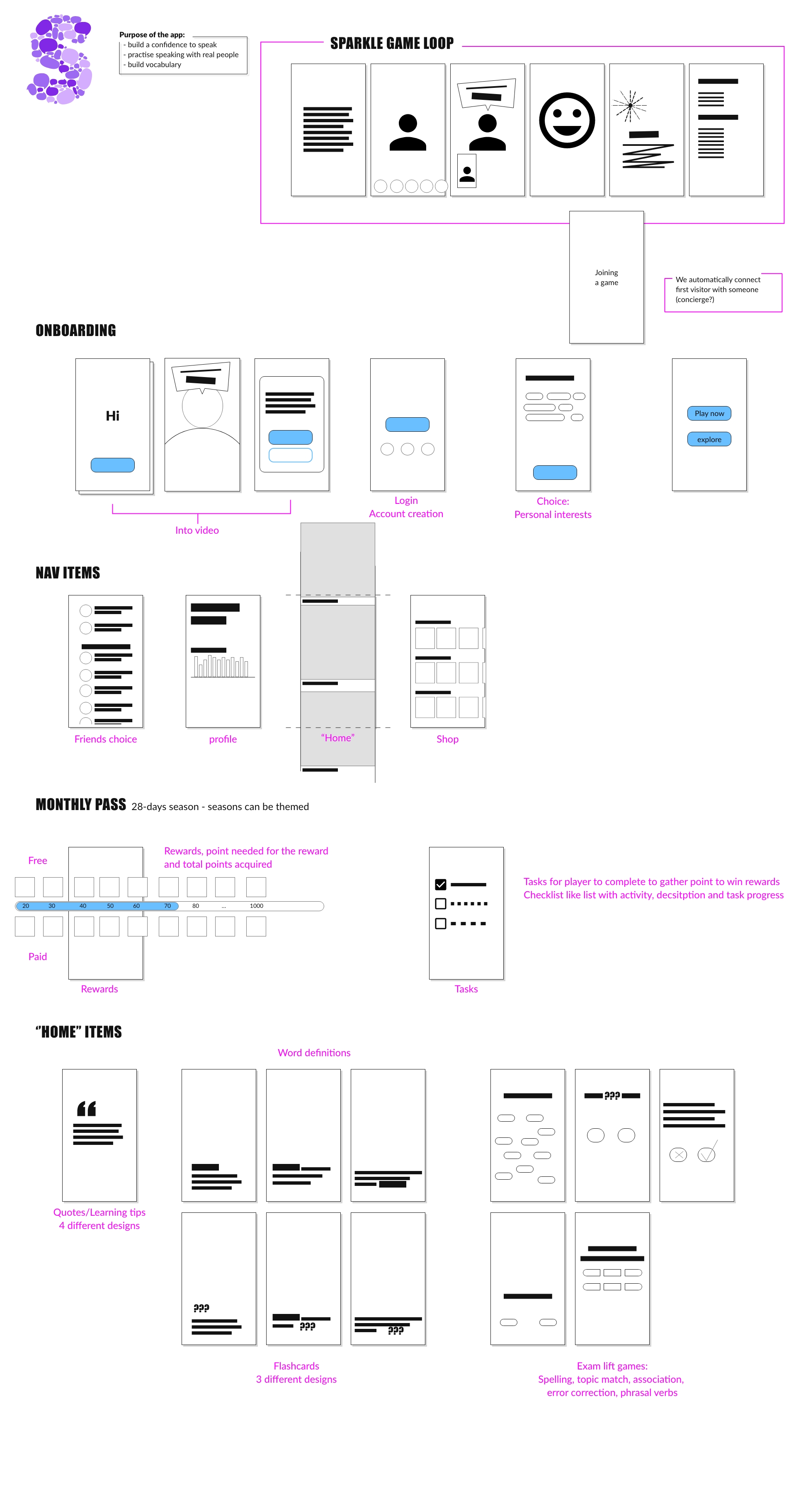
Frame speaking as a playful challenge rather than a performance or test.
Use instantly recognisable game patterns so learners can begin speaking without explanations, rules, or awkward introductions.
Use real people, not content consumption, as the primary engagement driver.
Designing the speaking game. The core mechanic paired two learners. One received a word or concept and had to describe it in English, while the other guessed. This structure encouraged natural language use, paraphrasing, and spontaneous speaking without relying on scripts.
Reducing speaking anxiety. Clear turn-taking, time limits, and simple rules reduced social pressure. Because both players were learners, the experience felt collaborative rather than evaluative, helping users overcome fear of making mistakes.
Early validation and beta feedback. A closed beta demonstrated strong engagement and positive reactions, particularly around how “human” and motivating the experience felt compared to traditional apps. Learners valued practising with real people in short, repeatable sessions.