1M+
Downloads
How we got 1M+ downloads and 4.8* rating across app store and Google play
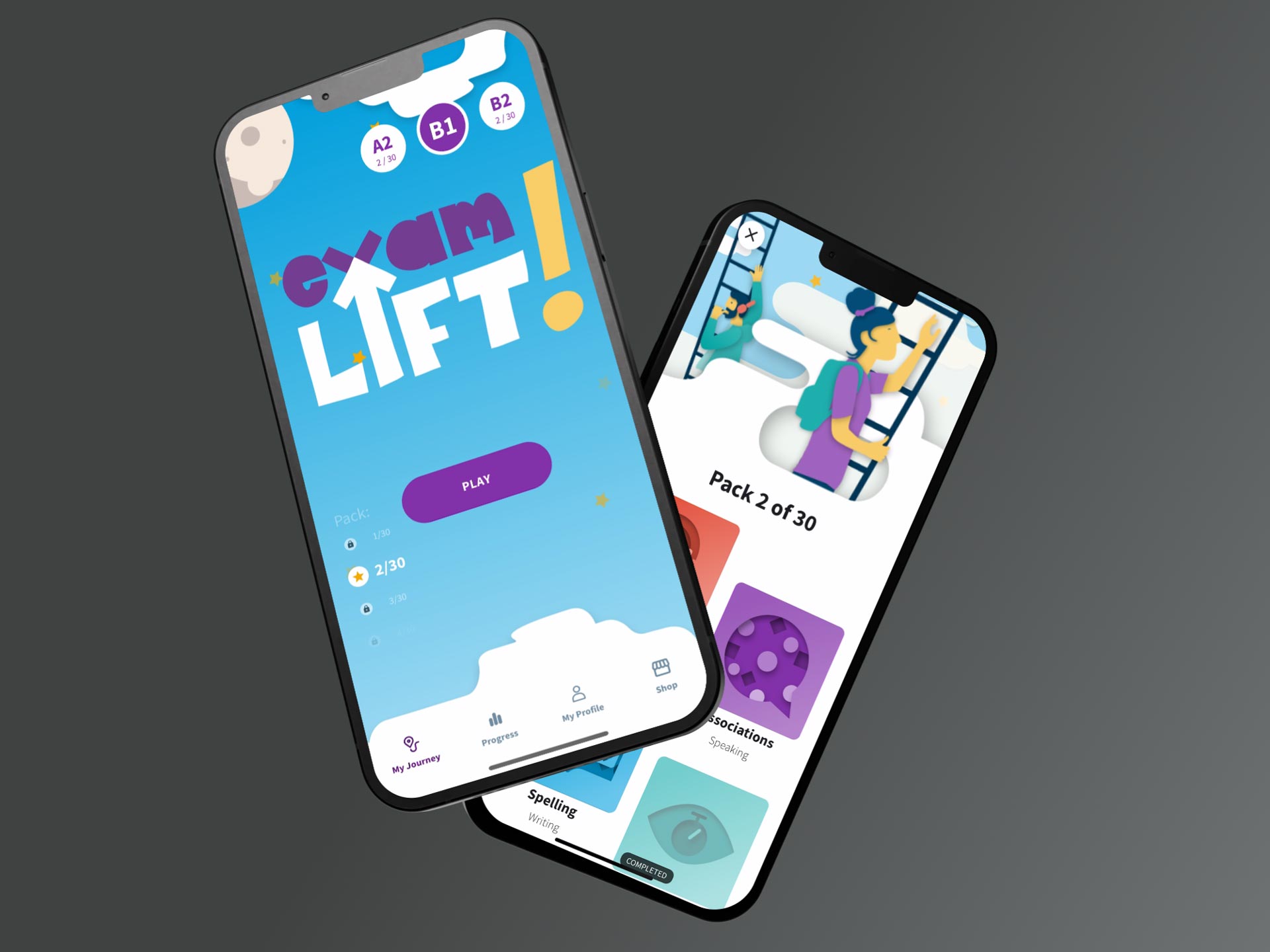
Exam Lift is a mobile exam practice app designed to help teenage learners prepare for Cambridge English B1 exams through short, motivating daily practice. Instead of digitising exam papers, the product focused on skill-based, bite-sized activities that fit into busy student schedules and encouraged consistent return.
The app reached 1M+ downloads, achieved a 4.8★ rating, and was adopted globally by schools as a recommended classroom companion.
Downloads
Apps rating
Avg engaged days
Customer problem. Teenage learners preparing for the B1 exam struggled to practise consistently. Existing materials were repetitive, exam-like, and time-consuming, while learners’ days were already filled with school, homework, and extracurricular activities. Motivation dropped after just a few days of practice.

Business problem. There was limited high-quality digital practice material for B1 exams. Most existing solutions reused old exam papers, offering convenience but little improvement in engagement or confidence. Adoption depended heavily on teacher trust, with no marketing budget to drive awareness.
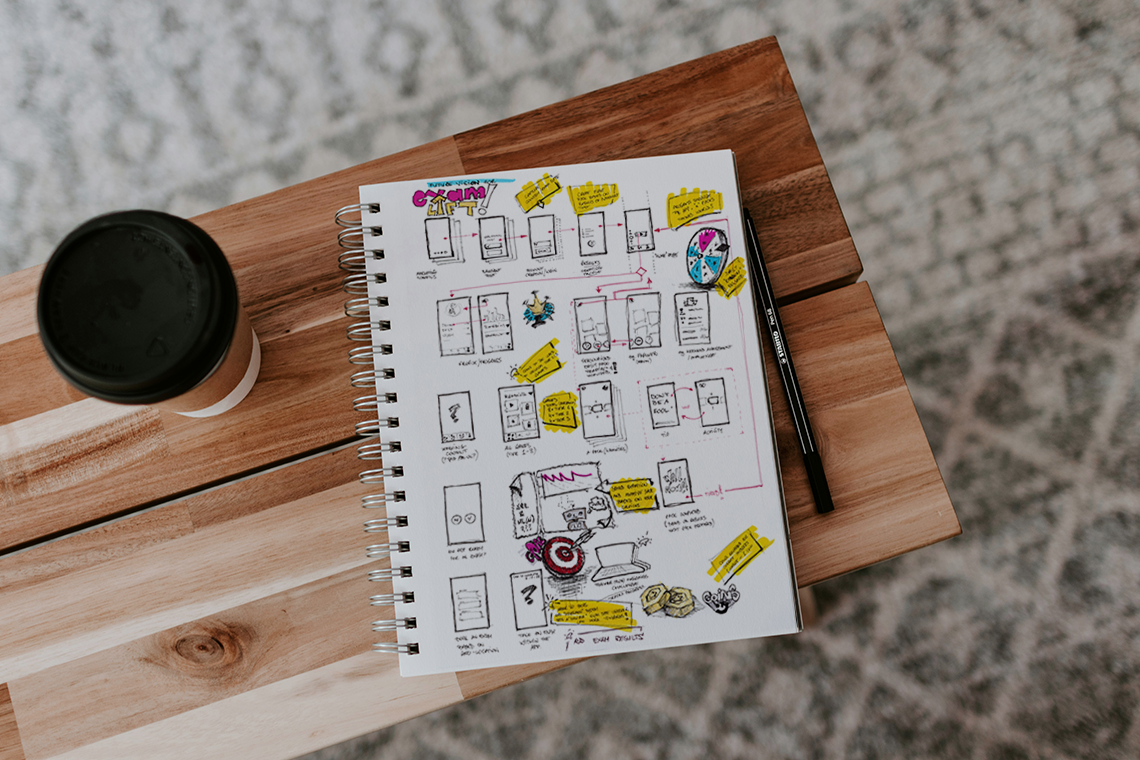
Design daily practice that fits into 10–15 minutes and removes decision fatigue.
Focus on underlying English language skills required for the exam rather than recreating exam formats.
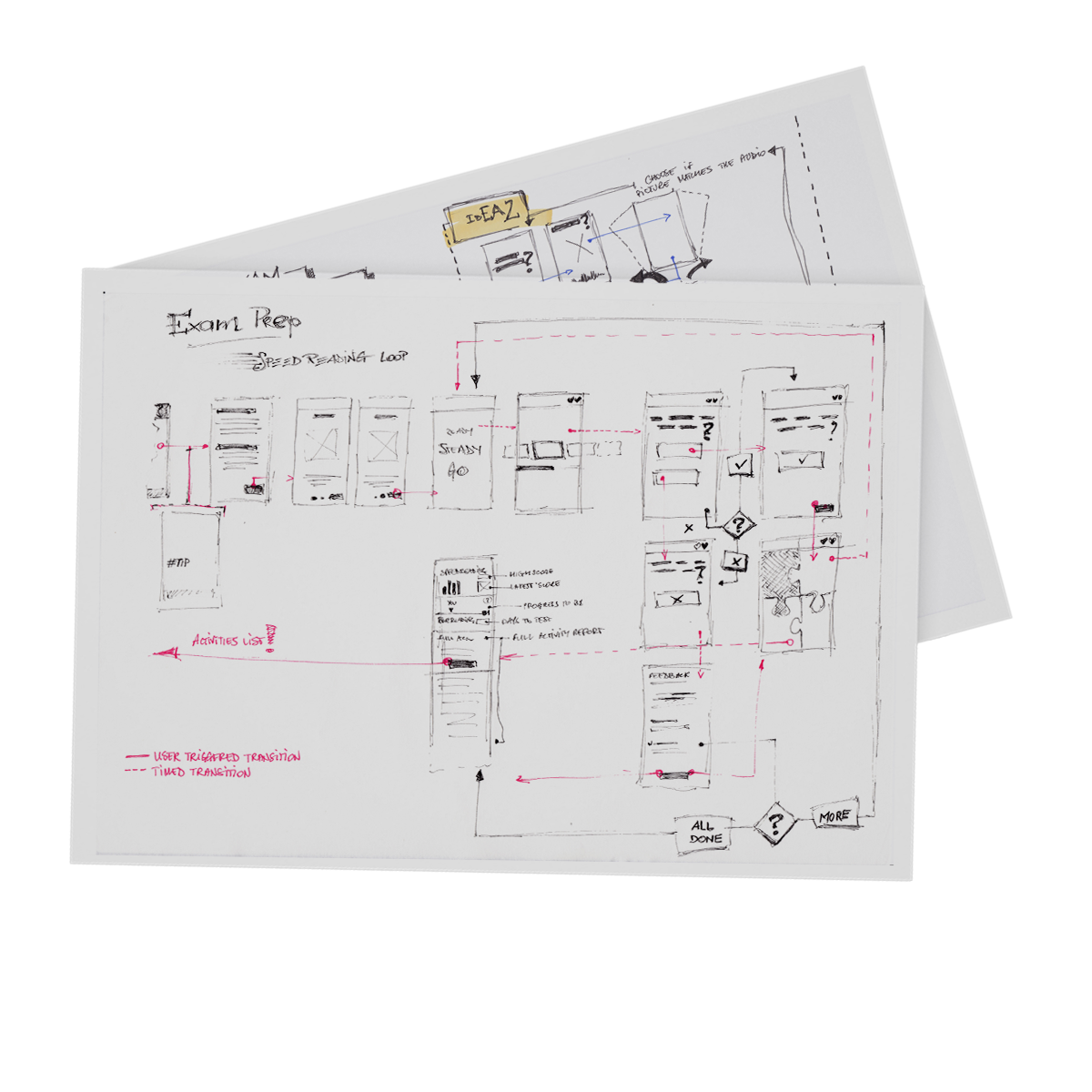
Optimise for daily return and habit formation, not time spent per session
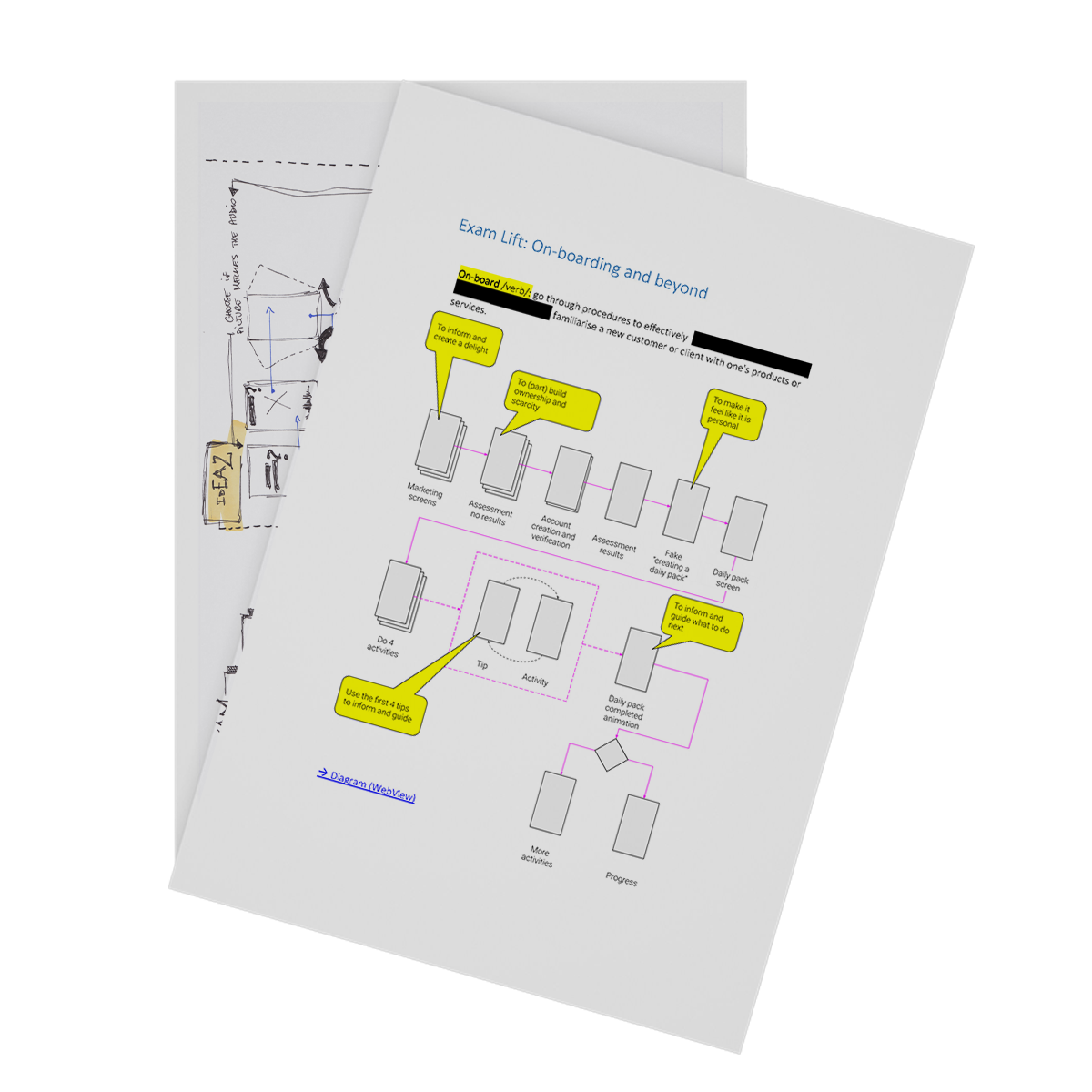
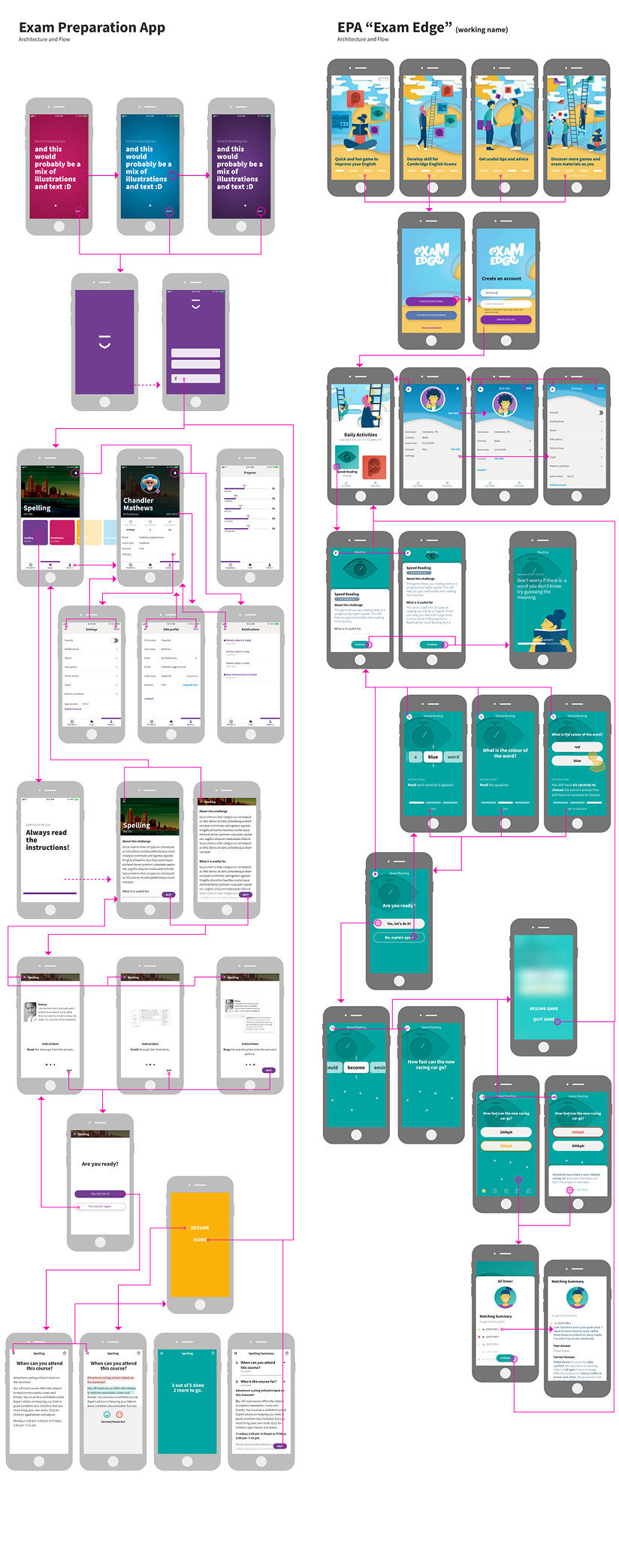
Driving early adoption. The app launched as an open Android beta, relying on product quality and teacher recommendations rather than paid marketing. Early validation with teachers helped build trust and demand before full release.
Building sustained engagement. Daily content was delivered through one unlocked pack per day, each containing four short activities across different skills. This reduced cognitive load, made progress predictable, and helped learners build a routine
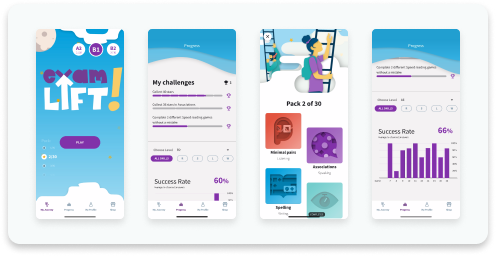
Improving retention through iteration. Initial analytics revealed a drop-off around days 2–3. This shifted focus from usability to behavioural reinforcement. Progress tracking, summary feedback, and lightweight challenges were introduced to support daily return.