20
Businesses in Beta trials
How we helped small businesses simplify rota planning and reduce scheduling friction
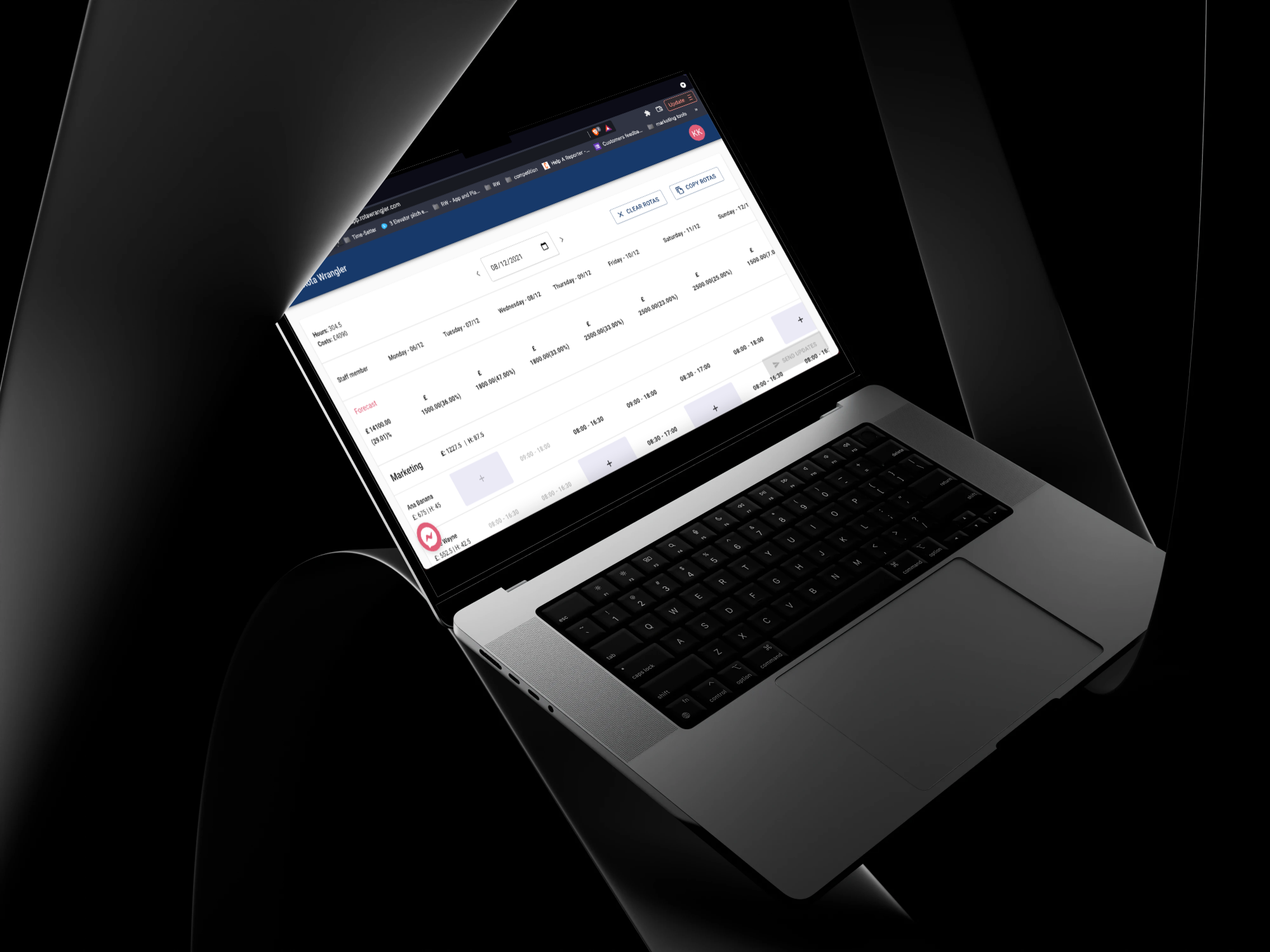
Rota Wrangler was a web-based shift scheduling and leave-management platform built for small and medium-sized businesses struggling with manual rota planning, availability conflicts, and opaque leave processes. The product focused on clarity, speed, and fairness for both managers and staff.
The project validated strong demand for simpler scheduling tools among non-technical business owners and frontline teams. While early adoption and feedback were positive, scaling challenges around pricing sensitivity, feature expectations, and competitive pressure highlighted important lessons about market positioning, operational complexity, and product focus in crowded SaaS spaces.
Businesses in Beta trials
Rotas published
Saved on rota creation
Customer problem. Small business owners and managers were spending disproportionate time building and adjusting rotas. Existing tools were either overly complex, expensive, or designed for enterprise-scale operations. Staff often lacked visibility into shifts and leave status, leading to confusion, last-minute changes, and mistrust.

Business problem. There was a clear opportunity to serve under-digitised SMEs with a lightweight scheduling product focused on speed and transparency rather than feature depth. The challenge was to differentiate in a crowded SaaS market while keeping onboarding, support, and pricing simple enough for cost-sensitive businesses.

Prioritise the most common scheduling flows instead of edge cases to reduce setup and decision fatigue.
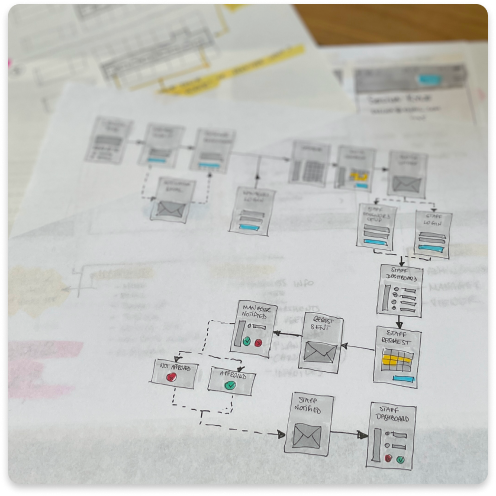
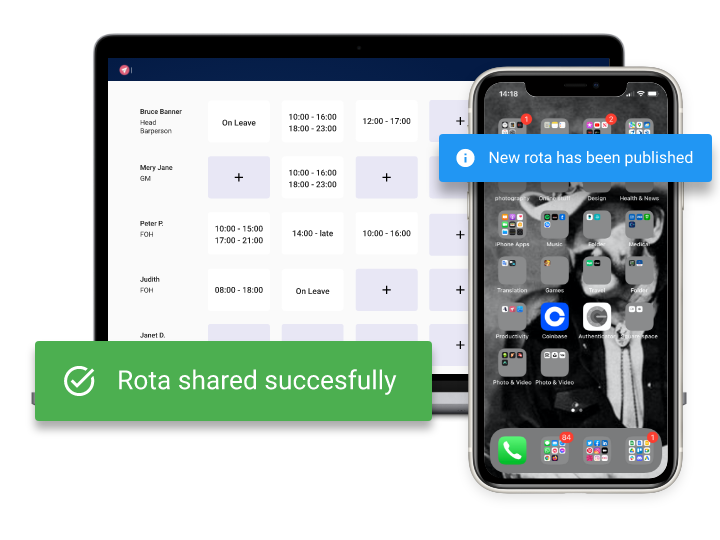
Design shared views so both managers and employees clearly understood shifts, changes, and approvals.
Start with simple rota creation and layer in availability and leave management only when needed.
Simplifying rota creation. Rota Wrangler used a grid-based layout familiar from spreadsheets but enhanced with constraints, availability indicators, and inline editing. Managers could create and adjust shifts quickly without navigating complex setup flows.
Improving transparency for staff. Staff views focused on clarity rather than control. Employees could see upcoming shifts, request leave, and understand approval status without needing direct manager follow-ups, reducing back-and-forth communication.
Testing onboarding and acquisition approaches. I led first-time, at-scale experiments with Google Ads and paid social, defining audiences and testing landing-page messaging to drive self-serve onboarding. In parallel, we compared this with direct, in-person outreach to validate whether small businesses would adopt the product without human guidance. The results highlighted strong price sensitivity and showed that trust and word-of-mouth are critical for SME adoption.